
On June 29, 2026, Accra learned a hard lesson it had been taught before and refused to remember. Torrential rain overwhelmed the city within hours. Kaneshie, Odawna, Adabraka, the Kwame Nkrumah Circle enclave, Weija, Tema, even parts of Tse Addo, all went under. Roads turned into rivers. Families were pulled from rooftops. By the time the water receded, the city was counting bodies, counting homes destroyed, and counting the cost of decades of building in the wrong places the wrong way.
And yet, scroll through the flood footage from that week, and you’ll notice something. Not every home in Accra went under. Some stood dry, untouched, while the water swallowed everything around them. That difference wasn’t luck. It was engineering, and it was a decision made long before the rains ever fell.
READ ALSO: Why More People Are Moving to Aburi Mountains for Peaceful Living
Accra Was Never Supposed to Flood Like This
Accra sits in a natural bowl between the Akwapim Ridge and the Atlantic Ocean. For generations, streams ran freely from the hills, across open plains, and out to sea. That’s how the land was designed to breathe. But as the city grew, those natural drainage paths got built over, filled in, and forgotten. Roads, housing estates and commercial blocks now sit exactly where water used to flow. So when the rain comes, as it always will, the water simply goes looking for its old route home, and anything sitting in the way pays the price.
This is the part most developers in Ghana still don’t take seriously. Land is bought because it’s cheap, or because it’s close to the road, or because someone’s uncle said it was a good spot. Nobody asks where the water goes when it rains. Nobody checks if that “flat, affordable plot” used to be a wetland. And every rainy season, the same communities pay for that oversight with their homes.
Tse Addo is Different
Tse Addo sits beside one of Accra’s main waterways to the sea, and it’s an area with real flood risk. That risk isn’t theoretical; it’s the reason parts of the community went under on June 29. Signum doesn’t pretend otherwise.
What Signum does differently is go beyond general zoning and drainage planning. Every property is put through its own flood risk assessment before construction starts, not a neighbourhood-wide check, but site-specific research into how water moves across that exact plot. That extra layer of homework is what separated Signum’s homes from the rest of Tse Addo on June 29. When you invest in a Signum Home, you’re investing in that groundwork. Floods will be the last thing on your mind.”
That distinction matters. A flood risk assessment isn’t a formality; it’s the process of actually studying how water behaves on a piece of land before you decide to put a family’s life savings into a home there. It tells you whether that plot sits on a natural water channel, whether the surrounding drainage can cope with a heavy downpour, and what needs to be engineered into the site itself: elevation, grading, stormwater management, so that when the rain comes, the water has somewhere to go that isn’t through your living room.
The Proof Is in Tse Addo
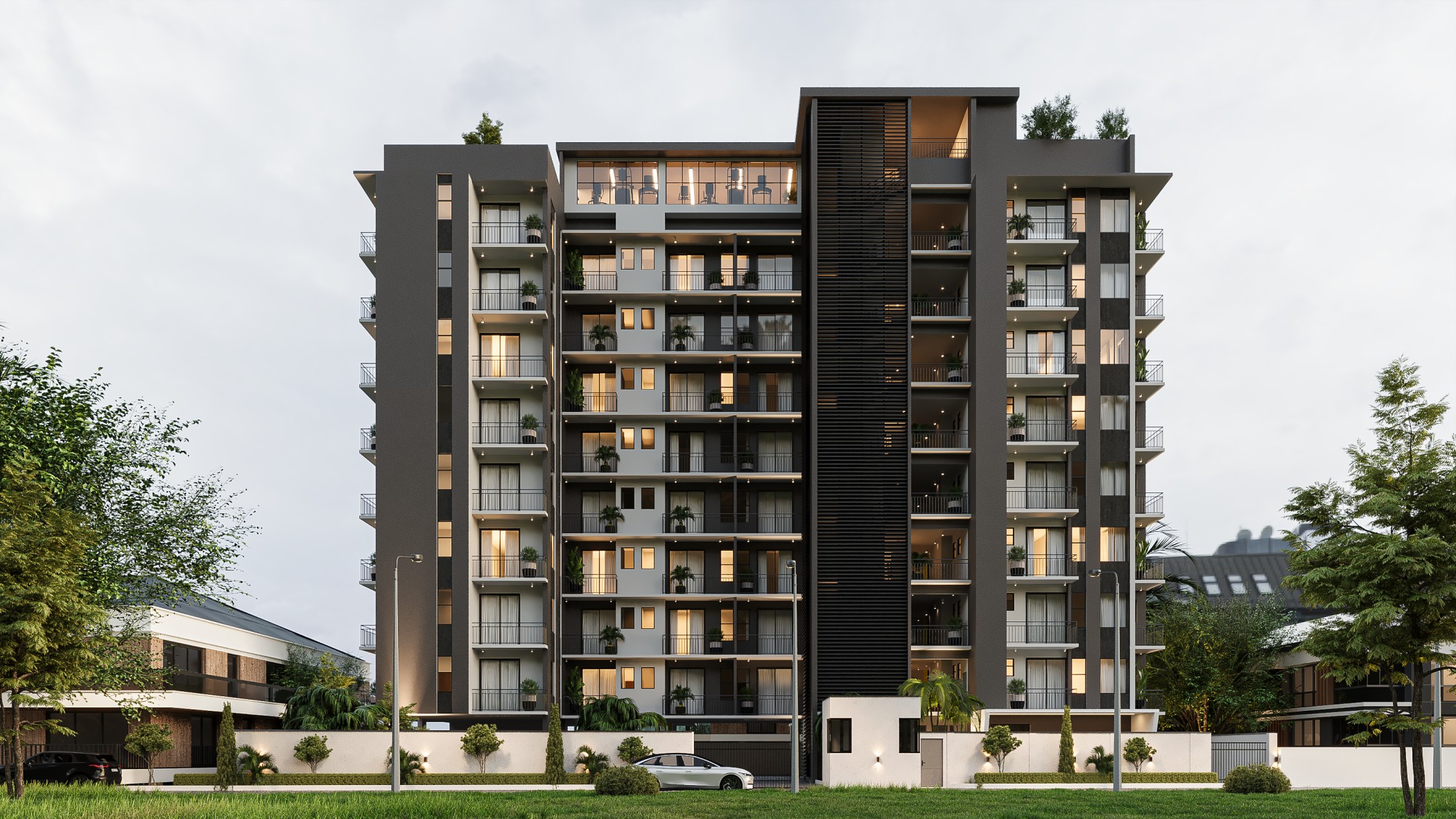
Talk is easy. What actually matters is what happens when the rain comes down and the water has to go somewhere. Signum has a number of communities in Tse Addo, an area that sits close to the Kpeshie Lagoon and has historically been one of the names that comes up when Accra’s flood zones are discussed. On June 29, 2026, when the rest of the city was underwater and large parts of Tse Addo itself were submerged, not one Signum home flooded.
That’s not a coincidence and it’s not a marketing line. It’s what happens when a development team actually does the drainage and flood risk assessment before breaking ground, on a site that plenty of other developers would have dismissed as “flood-prone” and built on anyway without doing the work. Signum Homes stayed dry not because the rain was kinder to them than to Kaneshie or Adabraka, and not because Tse Addo itself was spared. They stayed dry because they were engineered to handle exactly what happened on June 29.
The Real Secret Isn’t a Secret at All
If there’s a “secret” to building homes that stay dry while a city floods around them, it’s this: inspect the land before you build on it. That means asking the unglamorous questions early. Where did water flow here before there were roads and rooftops? What happens to this plot when the drains a mile away back up? Is the site graded to move water away from the foundation, or does it just sit and hope?
It’s not exciting work. Nobody puts a soil survey or a drainage model on the cover of a brochure. But it’s the difference between a home you can point to during a flood and say “we’re fine” and a home that becomes another headline.
Accra’s flooding problem is tied to decades of infrastructure challenges at a city-wide scale, and that’s a conversation far bigger than any single developer. But individual families don’t have to wait for that fix to protect themselves. They can choose developers who do the drainage and flood risk homework before laying the first block, not after the first flood.
That’s the standard Signum builds to. Not because it makes for a good headline, but because it’s the only way to build a home in Accra that actually holds up when the sky decides to test it.
Interested in a home built to withstand more than just the weather? Get in touch with Signum Development to learn more about our current developments, including Oko Beachview in Nungua and our communities in Tse Addo.
